
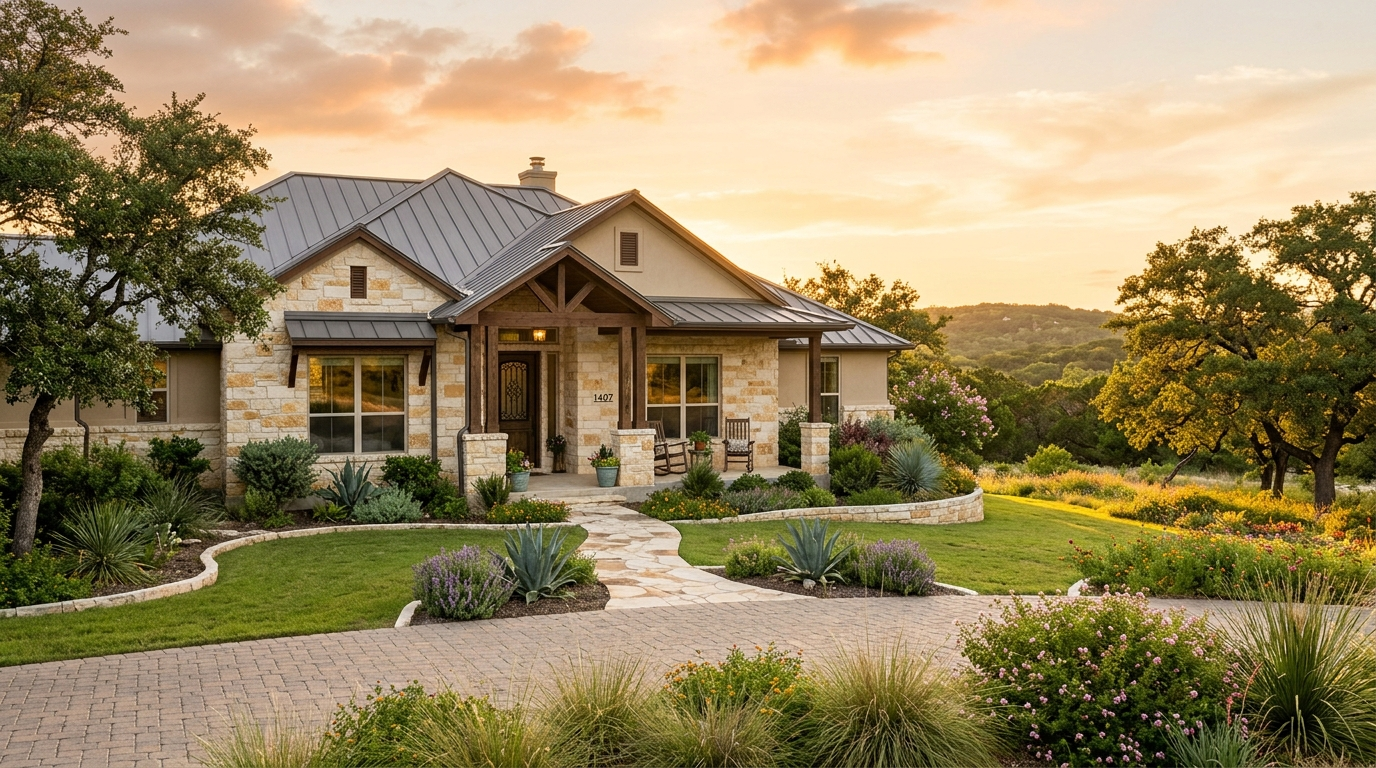
What retirement housing options make sense in the Texas Hill Country in 2026?
Quick Answer
Retirement housing in the Texas Hill Country generally falls into four practical paths: low-maintenance single-family or patio homes, 55+ active-adult communities, townhome or condo-style lock-and-leave living, and senior living campuses for people who want more built-in support. One national senior-living source puts average independent living in Texas around $3,754 per month, so the buy-versus-rent-or-community decision should include monthly cost, property taxes, HOA rules, future care needs, and how close you want to be to New Braunfels, Canyon Lake, Bulverde, or San Antonio medical access. The right answer is not the fanciest community. It is the setup that protects your independence, budget, and day-to-day routine. For expert updates, contact Cody Posey Real Estate.
Which retirement housing paths are realistic in the Hill Country?
Most people start this search by asking for "retirement communities," but that phrase can mean several very different things in the Texas Hill Country. Some buyers want a regular home with less yard work. Some want an age-restricted community with activities and neighbors in a similar season of life. Some want a lock-and-leave property so they can travel without worrying about every weekend chore. Others need independent living, assisted living, memory care, or a continuing-care style campus because future support matters more than owning dirt.
For a New Braunfels or Hill Country move, I usually separate the conversation into lifestyle first, then ownership model, then monthly carrying cost. A patio home in a standard neighborhood may feel more flexible than a 55+ community because you own like a typical resale buyer and can compare it against normal market comps. A 55+ active-adult community may offer a stronger social rhythm and lower-maintenance setup, but the HOA rules, fees, age restrictions, and resale audience deserve a closer look before you fall in love with the amenities.
Townhomes and condos can be the right fit when the real goal is convenience. That may mean less exterior maintenance, a smaller footprint, and easier travel. In the Hill Country, though, you still have to read the HOA documents carefully. You want to know what the association covers, how reserves look, whether short-term rental rules affect the community, and whether insurance costs are handled inside or outside the monthly dues. Those details matter as much as the kitchen counters.
Senior living campuses are a different category. They may be a smart fit when someone wants meals, transportation, activities, wellness support, or a path toward higher care without another move. They are not evaluated the same way as a house purchase, and the monthly cost structure can look very different from a mortgage payment. The brief for this topic included a Texas independent-living average near $3,754 per month, which is useful as a starting point, but your real comparison should include entrance fees, rent increases, care tiers, and what services are actually included.
If you are also weighing a broader life move, my recent guide on downsizing in the Texas Hill Country pairs well with this decision because it starts with the practical work: what to keep, what to sell, and what kind of home you are actually trying to create next.
How should you compare New Braunfels, Canyon Lake, Bulverde, and nearby areas?
The Texas Hill Country is not one single retirement market. New Braunfels, Canyon Lake, Bulverde, Garden Ridge, Seguin, Schertz, and Cibolo all solve different problems. A buyer who wants river access, restaurants, medical proximity, and a shorter route into San Antonio may compare neighborhoods differently than someone who wants acreage, lake views, a quieter road, or a lock-and-leave home near shopping.
In New Braunfels, the retirement conversation often centers on access. You have IH-35, Loop 337, shopping, health care, restaurants, the Comal and Guadalupe River lifestyle, and a mix of older homes, newer master-planned communities, and low-maintenance options. That convenience can come with traffic tradeoffs, especially around commute windows, river season, and fast-growing corridors. I tell clients to test-drive the routine, not just tour the house. Go from the home to H-E-B, the doctor, the gym, church, dinner, and the route your family will take when they visit.
Canyon Lake and the north-side Hill Country can feel like the dream version of retirement: water, views, trees, and space. The tradeoff is that some properties bring septic systems, wells, floodplain questions, private roads, steeper drives, longer errand routes, and HOA rules that vary widely. A lake-area home can be a great fit, but it is not the same maintenance profile as a patio home near town. If the house is meant to make life easier, the inspection and due-diligence questions need to prove that it actually will.
Bulverde and Garden Ridge often appeal to buyers who want Hill Country surroundings while staying connected to the San Antonio side of life. Seguin can open up different price points and newer-home options. Schertz and Cibolo can make sense for people who want a more suburban layout and easier access toward Randolph, San Antonio, or I-35. None of these areas is universally better. The right one depends on your daily pattern, budget, care network, property tax tolerance, and how much maintenance you want to keep.
This is where Fair Housing rules and good real estate advice line up: do not pick an area based on demographic labels or vague reputation. Compare what is actually there: property type, price range, HOA structure, distance to services, road access, lot size, floodplain exposure, utility setup, and resale audience. If you are deciding between river, lake, and acreage lifestyles, the tradeoffs in my River vs Lake Property in the Texas Hill Country guide are a good next read.
Trying to choose between a patio home, 55+ community, condo, or senior living campus?
Cody will map your budget, daily routine, preferred areas, and resale concerns into a practical Hill Country move plan.
Call Cody Posey Real Estate at 830.360.5569 · Start your Hill Country move plan
What costs can surprise retirement buyers here?
The monthly payment is only one part of the Hill Country retirement budget. Texas has no state income tax, but property taxes can be a meaningful part of ownership. Insurance, HOA dues, MUD or PID assessments in some communities, utility setup, septic maintenance, well testing, lawn care, and accessibility upgrades can all change the real cost of a home that looked affordable online.
This is the part I see buyers miss when they move from Austin, California, or another state: they compare the purchase price first, then discover the monthly structure later. In the Hill Country, two homes at the same price can feel completely different once you account for tax rate, exemptions, insurance, HOA dues, maintenance, and distance from services. A smaller home is not automatically cheaper to own if the dues, taxes, and services are heavier than expected.
For active-adult and independent-living communities, the cost comparison needs to be even more specific. A community fee may cover amenities, exterior maintenance, meals, transportation, social programming, or some utilities, but every community is different. A regular home may give you more control and potential equity, but it may also leave you coordinating lawn care, repairs, taxes, insurance, and future modifications. Neither path is wrong. The mistake is comparing them with only one number.
Use the New Braunfels mortgage calculator for a first pass at payment, but do not stop there. If you are selling another home first, your net proceeds will shape the whole plan. If you are buying with cash, you still need a monthly ownership budget because taxes, insurance, dues, and maintenance do not disappear just because there is no mortgage.
One practical move is to build three scenarios before touring seriously: regular resale home, low-maintenance HOA property, and senior living or independent living community. Put the monthly cost, upfront cost, services included, resale flexibility, and future-care fit side by side. That one exercise usually makes the right lane much clearer.
How do you choose the right retirement housing plan before you move?
Start with the life you are trying to protect. If travel is the priority, maintenance matters. If grandkids or adult children will visit often, layout and guest space matter. If health care access is becoming more important, drive time and support services matter. If you want to age in place, single-story living, entry steps, bathroom layout, door widths, and future modification potential should be part of the first showing, not something you think about after closing.
The most important conversation is independence versus support. A standard home gives you control, privacy, and broader resale flexibility. A 55+ community may give you a more built-in social structure and lower-maintenance rhythm. A senior living campus may trade ownership flexibility for services, convenience, and a clearer future-care path. The right answer depends on how much you want to manage yourself and how much you want the living environment to manage for you.
I also ask clients to be honest about whether they are downsizing the house or downsizing the workload. Those are not always the same thing. A smaller house on a larger lot can still be a lot of work. A newer home with an HOA can reduce some chores, but the rules and dues need to fit your personality. A condo can be easier to leave for three weeks, but shared-wall living and association rules are not for everyone. This is exactly the kind of question I walk my clients through before we ever write an offer.
The local wrinkle in New Braunfels is that "Hill Country retirement" can sound peaceful on paper while still putting you in the middle of real growth. FM 306, IH-35, Canyon Lake routes, builder activity, and weekend tourism can all affect how a location feels day to day. The part buyers sometimes underestimate is that the quietest-feeling showing at 10 a.m. on a Tuesday may not reflect river season, school-year traffic patterns, or a Saturday grocery run. You want a home that fits real life, not just a pretty showing window.
If you are relocating from outside the area, start with a custom move plan before you start ranking homes. The Texas Hill Country relocation guide can help frame the first steps so you can compare cost, commute, support, and lifestyle tradeoffs before you tour.
How to narrow your retirement housing choice
- Define the lifestyle first: travel, proximity to care, low maintenance, acreage, lake access, or social connection.
- Compare three cost models: regular ownership, HOA or 55+ community ownership, and independent living or senior living monthly structure.
- Tour by routine, not just by curb appeal. Drive to services, shops, medical appointments, restaurants, and family routes at realistic times.
- Review HOA documents, tax estimates, insurance, utility setup, floodplain questions, and future accessibility needs before making an offer.
- Build the move plan around timing, proceeds from any sale, and the kind of support you want 3 to 10 years from now.
In Closing
If you are comparing retirement housing options in New Braunfels or the Texas Hill Country in the next 3 to 6 months, the next step is not touring every community on a list. It is building a clear move plan around budget, maintenance, location, and future support.
I will help you compare the real tradeoffs, line up the right areas, and separate a pretty listing from a home that actually fits how you want to live.
Ready to talk strategy? Cody Posey Real Estate at 830.360.5569.
Sources: Where You Live Matters: Independent Living in Texas · MySA: $108M Senior Living Development in Horseshoe Bay · Texas Real Estate Research Center Data and Reports