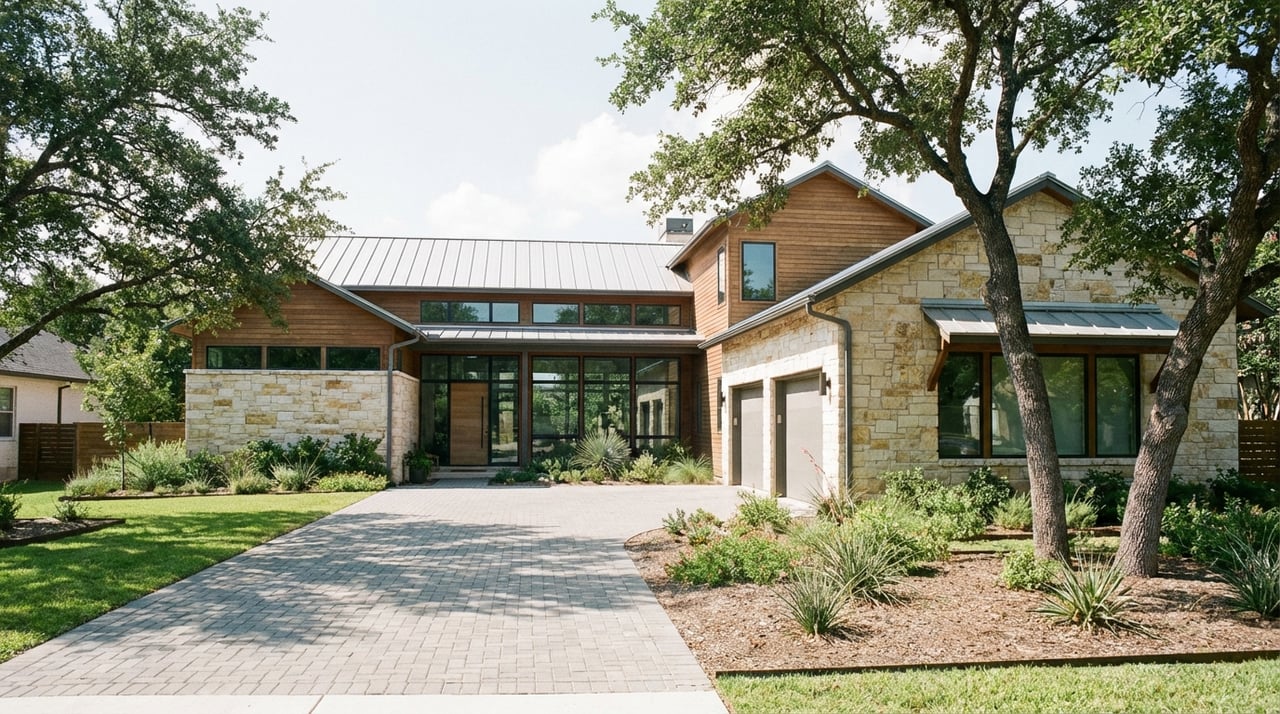
Should You Drop Your Price or Wait It Out in New Braunfels?
January 9, 2026
January 9, 2026
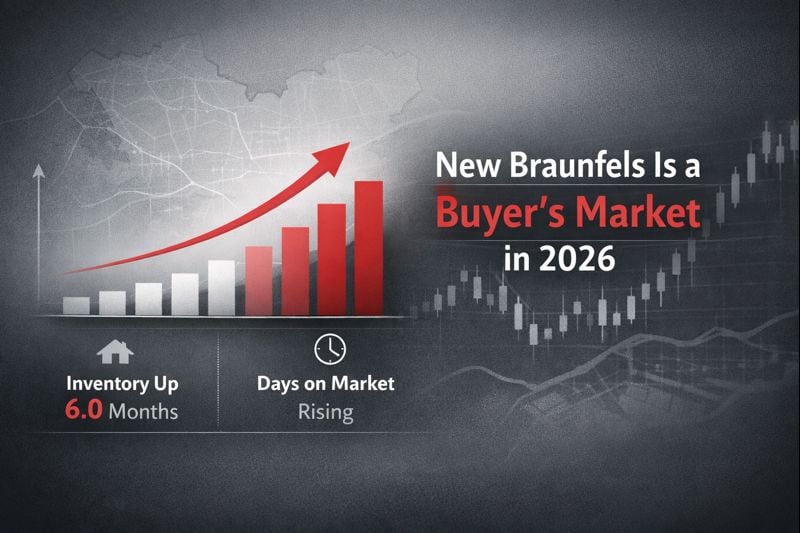
Staring at your listing and wondering if you should slash the price? Let’s be honest about what’s happening. New Braunfels homes are taking roughly 95 days just to go pending as of December. Sellers are closing at about 92% of their original list price, and nearly one out of every three listings in November 2025 ended up canceled, expired, or pulled altogether.
That’s not opinion. That’s the market.
I’m Cody Posey, and my role isn’t to sugarcoat reality. It’s to help you understand how to navigate a shifting New Braunfels real estate market without losing equity or time.
Right now, we’re operating in a buyer-leaning market. New construction homes in New Braunfels are offering incentives that resale properties simply can’t ignore. Buyers have more options, more leverage, and more patience than they did even a year ago. The old “wait it out” approach that worked during the frenzy is failing sellers today.
Most homeowners I talk to are stuck in the same place: unsure whether to cut their price, wait for a different buyer, or pull the listing entirely. Meanwhile, their home continues to sit while builder incentives grow stronger and buyer expectations get tighter across New Braunfels and the Texas Hill Country.
My approach is simple and unemotional. I don’t guess. I use live real estate comps and absorption rate data to determine when holding firm makes sense and when a strategic price adjustment protects you from slow erosion of value. In many cases, a small, well-timed reduction today saves far more money than months of carrying costs and eventual deeper cuts later.
If you want real insight into the Texas Hill Country real estate market and the New Braunfels housing market, this is where the conversation needs to start.
The New Braunfels real estate market in 2026 looks very different from the one sellers remember. Buyers aren’t rushing. They’re comparing. They’re calculating payments. And they’re lining your home up next to brand-new builds offering closing cost assistance, rate buydowns, and upgrades.
Homes are staying on the market longer, and price reductions are no longer a red flag—they’re standard. Even properties that eventually sell often require one or more adjustments to get there. At the same time, higher interest rates have reduced buyer purchasing power, which means buyers are far more sensitive to pricing than they were during the low-rate years.
Add in the growing number of canceled and expired listings, and a clear pattern emerges: seller expectations and buyer reality are misaligned. Ignoring that gap doesn’t preserve value. It widens it.
The market has already shifted. The only real decision is how you respond.
Many sellers hold onto the belief that time is on their side—that eventually the right buyer will show up willing to pay their number. In today’s New Braunfels housing market, that’s usually an expensive gamble.
Every month a home sits unsold, carrying costs quietly pile up. Property taxes, insurance, utilities, HOA fees, and mortgage interest don’t pause just because a listing is active. Over time, those costs can outweigh the price reduction sellers were trying to avoid.
There’s also the issue of perception. As days on market increase, buyers start asking questions. They wonder what’s wrong with the home or assume the seller is inflexible. That weakens negotiating leverage and often results in lower offers than if the home had been priced correctly from the start.
I’ve seen sellers lose tens of thousands of dollars by holding firm too long, only to accept a deeper reduction months later. This isn’t about giving your home away. It’s about strategic home pricing based on what the market is actually doing—not what we wish it would do.
A price reduction, when done correctly, is not a sign of failure. It’s a business decision.
The process starts with reviewing recent New Braunfels home sales, not comps from six months ago or peak-market numbers that no longer apply. We look at what homes similar to yours are selling for right now and how quickly they’re moving. From there, we analyze the absorption rate, which tells us how fast inventory is being absorbed in your specific area.
This is where the math matters. Cutting a price by one or two percent today can often save months of carrying costs and prevent the need for a much larger reduction later. We also look at net equity impact, not just list price, so you understand the real financial outcome of each option.
Once a price adjustment is made, it shouldn’t be quiet. A properly executed reduction is treated as a relaunch. It reactivates buyer interest, pulls your home back into saved searches, and creates urgency among buyers who were previously watching but waiting.
That’s how pricing protects equity in a softening real estate market.
The absorption rate is simply a measure of how quickly homes are selling compared to how many are available. When homes sell quickly and inventory is tight, sellers have more control. When inventory outpaces demand, buyers do.
In a buyer-leaning market like New Braunfels in 2026, waiting for conditions to improve is rarely a winning strategy. Proactive, data-backed pricing consistently outperforms passive hope.
Even with the right price, presentation still matters. Homes that show well, feel move-in ready, and photograph professionally outperform those that don’t. Clean curb appeal, minor repairs, thoughtful staging, and flexible showing availability all reduce friction for buyers.
When those elements are paired with data-driven pricing strategies, homes sell faster and with fewer concessions.
Across New Braunfels, Gruene, River Chase, and Canyon Lake real estate, the pattern is consistent. Homes that adapt early sell closer to their adjusted price. Homes that resist the market sit longer, cost more to carry, and often sell for less in the end.
Hope is not a strategy. Data is.
If you’re planning to sell in New Braunfels in 2026, start with a professional market analysis grounded in current data, not online estimates or outdated assumptions. Be realistic about pricing, prepare the home properly, and be ready to act decisively if the market gives you feedback.
The goal isn’t just to sell—it’s to sell efficiently and protect your bottom line using real New Braunfels market data.
If you’re ready to run the numbers on your specific situation, let’s connect.
Lifestyle Change

Buyers Corner

Strategic Selling
Buyers Corner

Market Updates
Buyers Corner

Veterans
Get assistance in determining current property value, crafting a competitive offer, writing and negotiating a contract, and much more. Contact me today.