
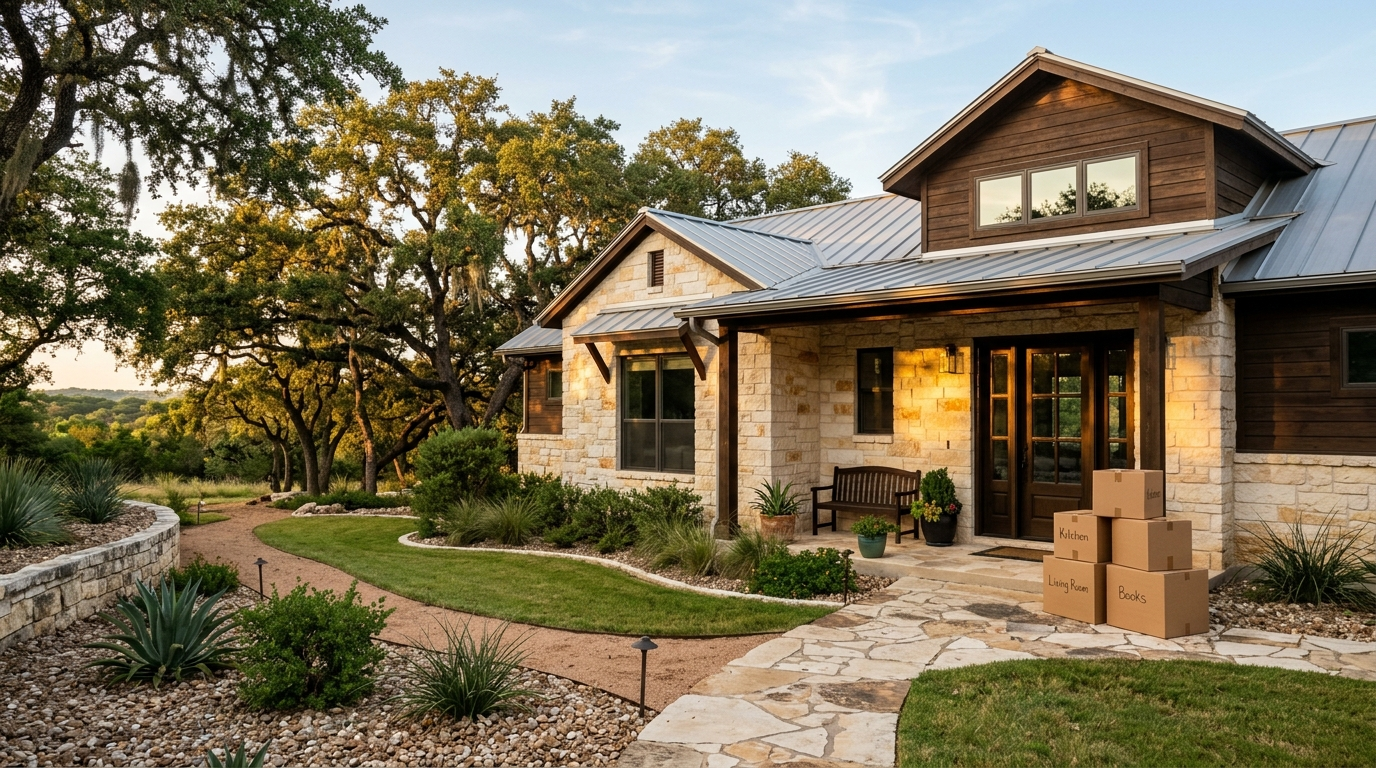
Should you use a bridge loan in Texas to sell and buy at the same time in New Braunfels?
Quick Answer
A bridge loan in Texas can help you buy your next home before your current one sells, but it is not the only way to solve the timing problem. Some lenders cap bridge financing around 75% of the current home's market value, and many buyers compare that against a sale-first plan, HELOC, leaseback, or home-sale contingency. In New Braunfels, the best answer depends on how quickly your current home is likely to sell, how much equity you have, and whether the next purchase needs to compete without a sale contingency. For expert updates, contact Cody Posey Real Estate.
What problem does a bridge loan actually solve in a New Braunfels move?
A bridge loan solves a timing problem, not a budgeting problem. It gives you temporary access to equity or short-term funds so you can purchase the next home before the current home closes. That can matter when the right house appears in Veramendi, Mission Hills Ranch, Gruene, Garden Ridge, or Canyon Lake before your current listing has a buyer.
The core issue is simple: most people need the equity from the sale to buy the next home. Without a plan, you either sell first and risk needing temporary housing, or you write an offer that depends on your current home selling. A bridge loan may let you move first, then sell, which can make your purchase offer cleaner because it may remove the sale contingency.
That does not mean it is automatically the best move. You still have to qualify with a lender, understand the short repayment window, and be comfortable with the possibility of carrying two housing costs for a period of time. The Consumer Financial Protection Bureau tells buyers to compare official loan offers and understand their mortgage choices before committing, and that advice matters even more when you are stacking short-term financing on top of a move.
This is where I see New Braunfels homeowners get caught off guard. They focus on whether they can buy the next house, but the better question is whether the current house is priced and prepared well enough to sell on schedule. If your existing home needs work, sits near a builder-heavy price band, or competes with new construction incentives, the bridge loan does not fix that. It just gives the sell side a deadline.
How do the three main sell-and-buy playbooks compare in Texas?
The first playbook is sell first, then buy. This is usually the cleanest financially because you know your net proceeds, you remove uncertainty from your next budget, and your lender can underwrite the next purchase with clearer numbers. The tradeoff is housing logistics. You may need a leaseback, temporary rental, family stay, or a short move into storage if the right home is not ready when your sale closes.
The second playbook is buy first, then sell. This is where bridge loans, HELOCs, cash reserves, and other short-term tools enter the conversation. It can be powerful when you have enough equity, strong income, and a specific home you do not want to miss. It can also create pressure if the current home takes longer than expected to sell, especially in a market where resale homes are competing against builder concessions.
The third playbook is a same-day or closely coordinated closing. You sell your current home in the morning, use the proceeds, and close on the next home later that day or soon after. This can work, but it depends on both contracts, both lenders, the title company, appraisal timing, repairs, funding, and buyer performance. One delay can push the entire chain.
Texas also has contract tools that matter here. A home-sale contingency can protect the buyer, but it may weaken the offer because the seller is depending on another transaction closing first. If you want a deeper explanation of that exact issue, Cody's guide to home-sale contingency offers in Texas is a smart companion to this move-planning decision.
For sellers, the related question is your real net number. If the plan depends on proceeds from the current home, do not guess from a Zestimate or the neighbor's sales price. Start with likely sale price, payoff, taxes, title fees, commissions, concessions, moving costs, and payoff timing. Cody's Texas seller closing costs guide can help you understand the pieces that reduce gross price into usable equity.
Need to sell in New Braunfels and buy the next place without guessing on timing?
Cody will map your current-home value range, likely net proceeds, purchase timeline, and financing questions so you can compare sell-first, buy-first, and coordinated-closing options.
Call Cody Posey Real Estate at 830.360.5569 · Start your move timing roadmap
When does a bridge loan make sense, and when should you slow down?
It can make sense when the next home is unusually hard to replace. If you are downsizing into a specific one-story layout, moving closer to family, trying to stay near a commute route, or relocating around a PCS timeline, losing the right property may cost more than the financing cost. A bridge loan can help you act when the replacement home is the real constraint.
It can make sense when your current home is truly market-ready. I do not mean you have a few phone photos and a hopeful price. I mean repairs are handled, prep is done, pricing is backed by current comps, and the likely buyer objections have already been addressed. In New Braunfels, this matters because buyers compare across resale, new construction, Comal County, Guadalupe County, and sometimes Schertz or Cibolo in the same weekend.
You should slow down if the bridge loan is being used to avoid a pricing conversation. This is the part I walk clients through before they make a big move. If your current home is overpriced by even a small amount in a price band with active builder incentives, you may not feel the mistake on day one. You feel it three weeks later when you are making payments, showing traffic is soft, and the next home clock is already running.
You should also slow down if the payment stack is uncomfortable. Bridge financing is temporary, but temporary can still be stressful. You need to understand the bridge payment, the new mortgage payment, the old mortgage payment, insurance, taxes, HOA dues, and any payoff deadline. The National Association of Realtors has noted that bridge loans can help buyers avoid a sale contingency, but the benefit is only useful if the financing risk is manageable for your household.
A good move plan compares the financing options side by side: bridge loan, HELOC, cash reserves, sale-first leaseback, home-sale contingency, and same-day closing. Then it ties that plan to the sell-side strategy. If you need a starting point for the purchase side, Cody's New Braunfels buyer guide can help frame the payment conversation before you talk with a lender.
What should New Braunfels homeowners do before choosing the timing strategy?
Start with a realistic value range on the home you already own. The Texas Real Estate Research Center is a useful source for broad market context, but your decision should be made at the neighborhood and price-band level. A home in a builder-heavy pocket near the IH-35 corridor may need a different strategy than a well-prepared home in Gruene, an acreage property outside city limits, or a Canyon Lake-area home with water-level questions in the buyer's mind.
Next, ask your lender for the real financing menu. Do not assume every lender offers bridge loans, and do not assume the terms will match an online article. Ask about maximum loan-to-value, repayment timeline, interest-only periods, fees, required reserves, whether you must qualify with both payments, and whether your current home must be listed or under contract.
Then build the transaction calendar backward. In Texas, the title company coordinates closing, earnest money is held by the title company, and option periods give buyers a defined window to inspect and terminate. If your sale and purchase overlap, inspection negotiations, appraisal timing, title funding, repairs, and lender conditions all matter. Cody's guide to Texas earnest money rules explains one piece of that contract timeline.
Finally, choose the strategy that protects your real goal. If your goal is certainty, sell-first may beat buy-first. If your goal is not missing a rare replacement home, buy-first may be worth exploring. If your goal is minimizing temporary housing, a coordinated closing or leaseback may be the cleanest path. The right answer is not the same for a PCS move, a divorce transition, a retirement downsize, or a move-up purchase with kids, pets, storage, and work schedules in the mix.
My practical advice: do not start with the bridge loan. Start with the move plan. Price the current home, estimate net proceeds, get lender options, identify the replacement-home constraints, and decide how much timing risk you are willing to carry. That is how you turn a stressful two-transaction problem into a sequence you can actually manage.
How to build your sell-and-buy move plan
- Get a local value range for your current home before shopping seriously.
- Ask your lender to compare bridge loan, HELOC, cash reserve, and contingency scenarios.
- Estimate seller net proceeds with taxes, payoff, title fees, commissions, concessions, and moving costs included.
- Decide whether the replacement home is common enough to wait for or rare enough to justify buying first.
- Build a contract calendar around option period, appraisal, repairs, title funding, leaseback, and closing dates.
In Closing
If you are planning to sell and buy in New Braunfels, Comal County, Guadalupe County, or the surrounding Hill Country in the next 30 to 180 days, the next step is not picking a bridge loan first. It is building a move plan that shows your likely equity, your purchase power, your timing risk, and the cleanest contract path.
I will help you compare the sell-first, buy-first, and coordinated-closing options, then connect the numbers to a practical listing and purchase strategy. Call Cody Posey Real Estate at 830.360.5569, or use the roadmap above to start your <a href="/relocation-guide/">New Braunfels relocation plan</a> before the clock starts running.
Ready to talk strategy? Cody Posey Real Estate at 830.360.5569.
Sources: Texas Real Estate Research Center Data & Reports · Consumer Financial Protection Bureau Buying a House · National Association of Realtors Bridge Loan Coverage · Little City Investments Texas Bridge Loans