
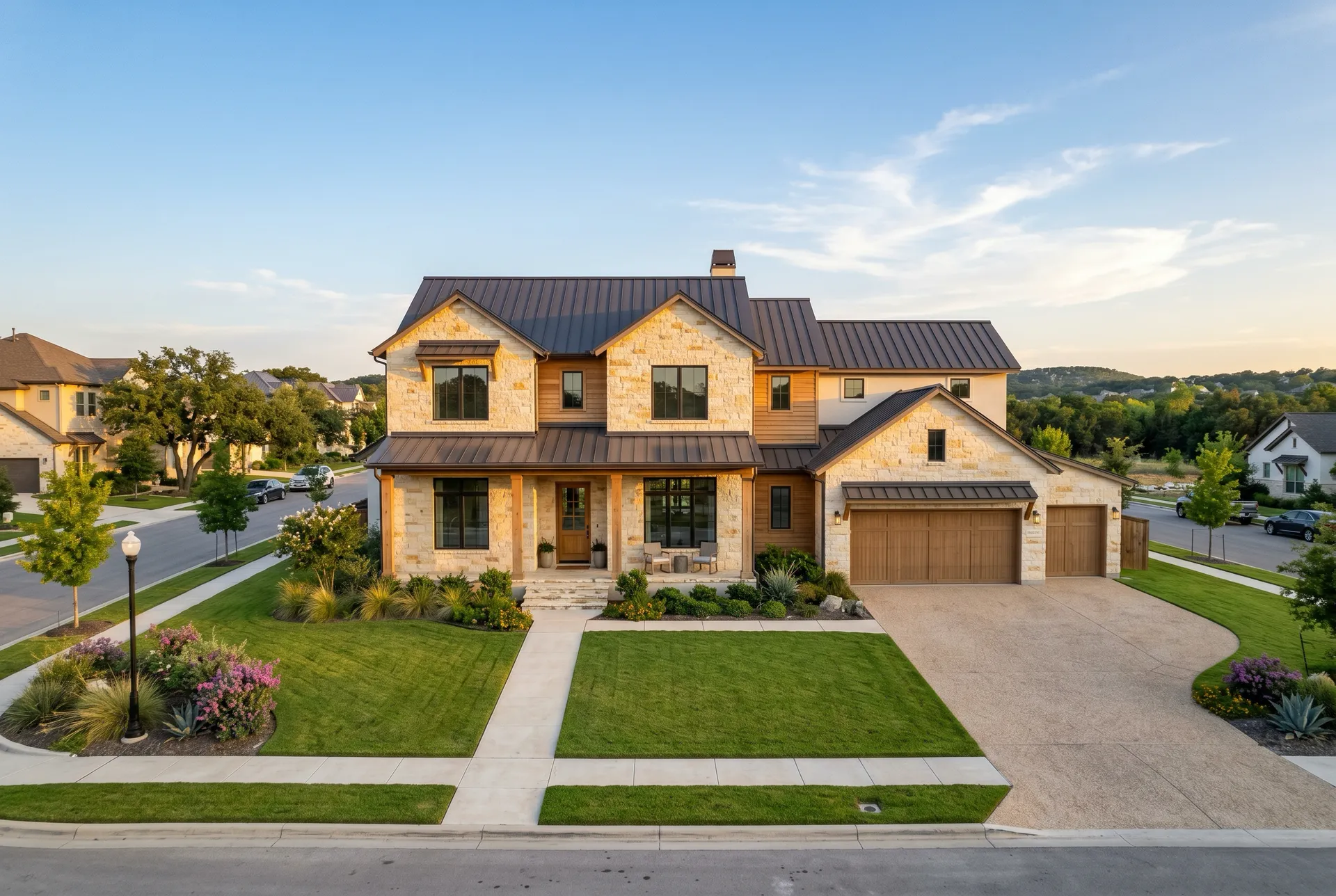
How do you sell your Comal County home when builders are offering big incentives?
Quick Answer
Yes, you can absolutely win against new construction, but you have to compete on the buyer’s full math: monthly payment, cash-to-close, and perceived risk. National builder data shows incentives are common right now. NAHB reported 64% of builders offering sales incentives and 37% cutting prices (April 2026). The resale homes that still move are the ones with a comp-backed price, a clean inspection story, and a concession plan that feels simple to a buyer. For expert updates, contact Cody Posey Real Estate.
What are builders really competing with in New Braunfels and Comal County?
Most sellers think the competition is the builder’s list price. In real life, buyers compare your home to a bundle: the builder’s price, their advertised rate (usually tied to a preferred lender), closing cost help, and upgrades that make the house feel move-in ready on day one. If your home is in New Braunfels or north Comal, you feel this most in neighborhoods with active new phases nearby and a steady flow of relocating buyers who want something turnkey.
Here’s the tricky part. Builders often protect their recorded sale prices because that helps their future appraisals and marketing. Instead of a huge public price cut, they use incentives that change the buyer’s monthly payment and cash-to-close without moving the headline number as much. That means a resale home can look “more expensive” even when it is actually the better value.
My local reality check. In Comal County, I see buyers talk themselves into new construction because it feels simpler. They think new means fewer surprises, and they assume the builder’s incentives make the payment unbeatable. Sometimes that’s true. Often it is not. The sellers who win are the ones who make the resale feel just as easy to say yes to: clear condition, clear terms, and a price that makes the comparison obvious.
How should you price a resale home when builders are using incentives?
You cannot out-market a math problem. When a builder is advertising a rate buydown or large credits, buyers are translating that into a monthly payment story. Your pricing strategy has to start with comps, but the finish line is the buyer’s payment and cash-to-close comparison.
Insight: treat incentives like a competing “discount,” not free money. A builder’s incentives are real value, but they are rarely free. They often require the buyer to use a preferred lender, close on the builder’s timeline, and accept the builder’s contract terms. Your advantage as a resale seller is flexibility. You can negotiate structure. You can solve a buyer’s specific problem. That is why I like building a plan that includes a price position plus one clean concession option, rather than trying to match every promotion line-by-line.
Insight: the best pricing isn’t “lowest,” it’s “easiest to choose.” If the builder’s offer makes their home feel like the safer choice, your price has to create a clear why. That might mean pricing a touch sharper than the obvious comp range, or it might mean staying in range but pairing it with a simple credit that reduces a buyer’s cash-to-close. If you want a deeper walkthrough of how I build comp-backed ranges, see my New Braunfels home pricing strategy (2026).
When sellers ask me “Should I just match the builder’s credit?” my answer is usually no. Match the buyer’s problem. If the buyer is payment-sensitive, a credit that supports a rate buydown can matter more than paying for cosmetic upgrades. If the buyer is cash-tight after a move, closing costs are usually the lever. If they are worried about condition, your lever is inspections and repairs. The winning strategy depends on which buyer pool your neighborhood is attracting right now.
Want to know what your home needs to beat the builder incentives down the road?
I’ll put together a comp-backed pricing and negotiation plan that shows the simplest way to compete on payment and cash-to-close without giving away your equity.
Call Cody Posey Real Estate at 830.360.5569 · Get a comp-backed pricing + negotiation plan
What concession strategies actually work without giving away your equity?
Concessions work when they are simple and tied to a buyer’s decision point. They backfire when they look like desperation or when they create extra uncertainty. The goal is not to “pay buyers.” The goal is to remove the last obstacle that keeps a buyer from choosing your resale over the builder model.
Insight: one clean credit beats a complicated menu. A single, clearly stated seller credit (with the right price positioning) is easier for a buyer and their lender to process than a long list of promises. In Texas, everything still has to be written into the contract correctly and supported by the lender’s rules. If you want the buyer-facing version of this, my post on New Braunfels seller concessions breaks down what buyers actually care about when they compare offers.
Insight: pre-inspection can be your “incentive.” Builders sell certainty. You can too. A pre-listing inspection (or at least a strong repair and disclosure plan) reduces the fear of “what will we find?” That is a real value add when a buyer is comparing your 2012 home to a brand-new build with warranties. It also protects you from re-trading late in the deal.
Insight: make the resale advantage obvious. Resale homes often bring things builders cannot: mature landscaping, larger lots in established sections, better yard usability, and a location that is already fully lived-in. The part buyers relocating from Austin often miss is that some “brand-new” communities feel great on a Saturday tour, but weekday traffic patterns and school-route congestion can change the experience. You do not need to sell fear. You just need to help buyers compare reality.
One more note that matters: builders can sometimes offer incentives that look huge, but the terms can be very specific. Encourage buyers to compare the full loan estimate and the total cash-to-close. I regularly see situations where the headline credit is real, but the fees and rate structure change the net benefit. That is why a resale seller’s plan should be built around what buyers can verify, not what marketing signs promise.
What should your negotiation plan look like when you’re up against a builder?
Your negotiation plan should assume the buyer has options. That is not bad news, it is clarity. If builders are widely using incentives, it means they are actively managing affordability and inventory. NAHB’s April 2026 Housing Market Index update shows incentives have stayed elevated, with the share of builders offering incentives reaching 60%+ for more than a year. That is the environment resale sellers are negotiating in.
Step one: decide your “walk-away” number before showings start. When you have builder competition, the worst time to decide how far you will go is after a buyer asks for concessions. We set a firm bottom line based on your net proceeds goal and your timeline. If you want to see your numbers clearly, start with the seller net sheet so you know what each concession actually costs you.
Step two: negotiate structure, not just price. Price is only one lever. If the buyer needs help with closing costs more than they need a lower price, a structured credit can be cleaner than dropping the price and hoping it “feels” better. If the buyer is worried about condition, a repair credit or pre-agreed repairs can be more persuasive than a discount. The point is to solve the decision.
Step three: control the story with documentation. Builders sell on certainty and speed. Your counteroffer should feel just as professional. Provide a clean disclosure package, receipts for key work, and a clear list of what stays. If the buyer is using a lender, keep the contract terms simple so underwriting does not create delays.
If you want a macro view of what is shaping demand in the corridor right now, reference my San Antonio–New Braunfels market update (April 2026). Then bring it back down to your street. Neighborhood-level comps and buyer behavior are what matter for your sale.
A simple 7-step plan to compete with new construction
- Pull the real comp set for your exact pocket, not the neighborhood headline average.
- Identify the builder communities buyers are touring instead of your home.
- Translate the builder deal into buyer math: estimated payment and cash-to-close (ask the buyer’s lender to run it).
- Decide your one clean concession option before you list (credit, repairs, or both).
- Make condition easy to trust: pre-inspection or documented repairs and a clear disclosure package.
- Price for the first 14 days like it matters, because it does.
- Negotiate structure to solve the buyer’s problem, and keep contract terms clean to avoid underwriting delays.
In Closing
If you’re planning to sell in New Braunfels or Comal County in the next 3 to 6 months, the next step is not guessing at price or trying to match whatever the builder is advertising. It’s building a comp-backed plan that makes your resale the easiest choice.
Call Cody Posey Real Estate at 830.360.5569, and I’ll map your value range, likely buyer objections, and a simple concession strategy. You’ll also get an estimated net proceeds range and a clear next-step checklist.
Ready to talk strategy? Cody Posey Real Estate at 830.360.5569.
Sources: NAHB: Builders Respond to Affordability Challenges with Buyer Incentives (Apr 2026) · NAHB/Wells Fargo Housing Market Index (HMI) methodology and April 2026 findings · Realtor.com: Homebuilders Are Relying More on Buyer Incentives (Aug 2025)