
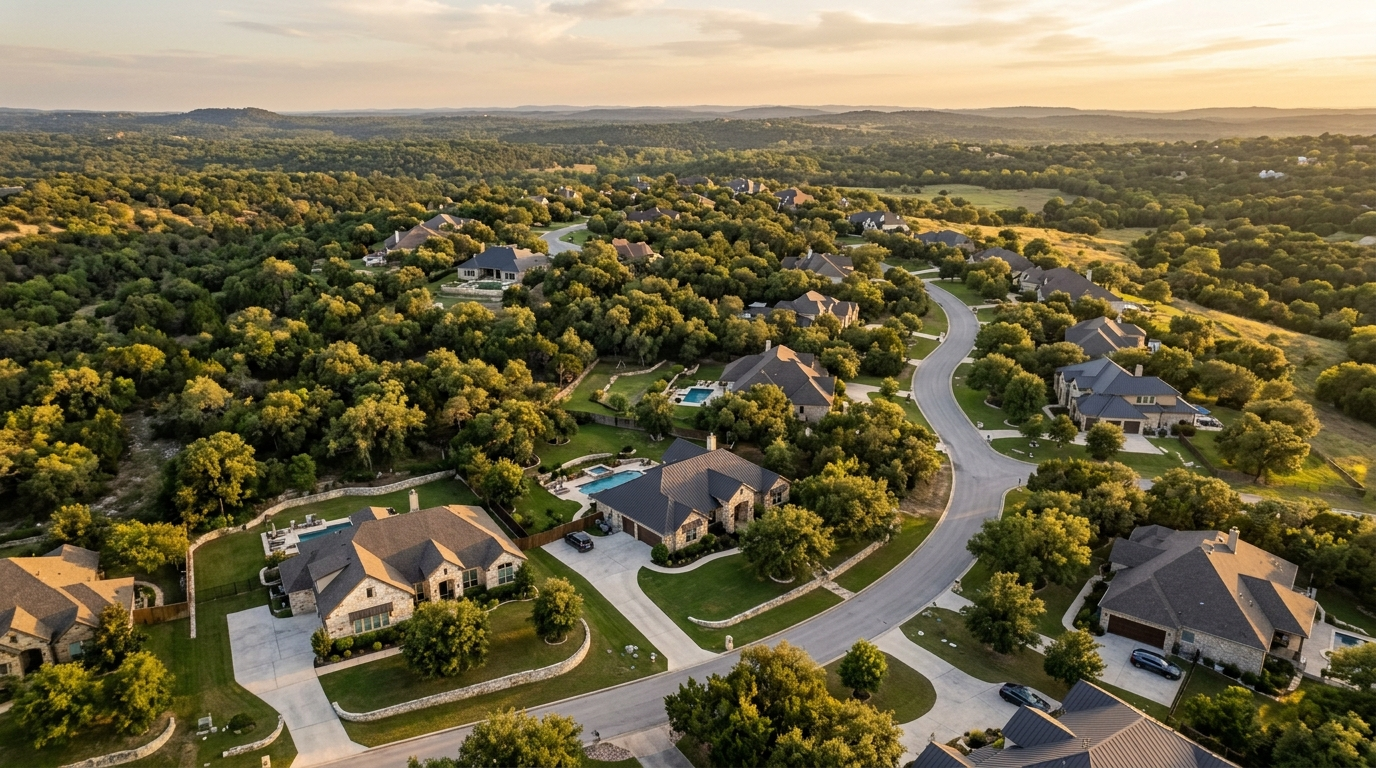
To price a Garden Ridge home for sale, compare it with properties a buyer would realistically choose instead: similar usable land, condition, layout and location. Acreage and renovations deserve a closer look, but neither creates an automatic premium. Start with verified closed sales, then test the proposed price against the homes competing for buyers today.
My recommendation is to resist a single neighborhood average or price-per-square-foot shortcut. A seller needs a defensible price range and a clear explanation of what the property offers within that range. This guide focuses on building that comparison, rather than predicting a citywide price or promising what your home will sell for.
Build the comparison before choosing the asking price
| Factor | Evidence to collect | Pricing mistake to avoid |
|---|---|---|
| Land | Survey, lot configuration, usable outdoor space, access and restrictions | Assuming twice the acreage means twice the land contribution |
| Condition | Roof and equipment records, repair scope, finish quality and layout | Adding every improvement dollar to the asking price |
| Location | Exact parcel, street setting, surrounding uses and competing neighborhoods | Treating the same ZIP code as proof of the same market |
| Sale evidence | Verified closed transactions, dates, terms and relevant differences | Calling an active asking price a completed sale |
Keep a short explanation beside each comparable. Would the same buyer consider it? What meaningful difference remains? A house that is nearby but serves a different buyer can be less helpful than one slightly farther away with a similar combination of space, condition and setting.
For mortgage appraisals, Fannie Mae’s comparable-sales guidance, dated June 4, 2025, emphasizes physical and legal similarity and competition within the relevant market. That supports the comparison principle; a listing consultation is a different service from an independent appraisal.
Evaluate what the acreage actually lets a buyer do
Put the survey beside the listing description. Separate total parcel size from the space a buyer can conveniently use for the activities they want. Look at the house placement, driveway, slope, drainage, easements and any areas that need further investigation. A larger number on the listing does not answer those questions.
For a Garden Ridge seller, a useful land story might be room for outdoor living, separation between homes or an existing permitted improvement. Support it with documents and accurate photographs. Do not market an additional building, pool or subdivision opportunity as available simply because there appears to be enough space.
The City of Garden Ridge’s Development page, checked November 6, 2026, provides the zoning ordinance and zoning map. Use those resources to begin verifying the exact parcel, then confirm a proposed use with the city and review recorded restrictions. Avoid applying one zoning district’s requirements to every property.
Price the land contribution through relevant sales evidence, not a universal dollar-per-acre rule. If the extra acreage is your main reason for exceeding competing homes, ask the pricing analysis to show why buyers would pay for it. For the broader ownership review, the Hill Country acreage checklist covers utility, access and restriction questions separately.
Separate condition from the money spent improving the home
Prepare a factual condition file before the pricing meeting: installation dates where known, invoices, warranties, permits and unresolved repairs. Distinguish a cosmetic refresh from work on the roof, drainage or major equipment. If a date or permit status is unknown, say so rather than filling the gap with an estimate presented as fact.
A kitchen renovation can improve the presentation while leaving a buyer with concerns about an older roof. Equally, a well-maintained house can still have a layout that fewer buyers want. Price the complete package. Do not describe deferred maintenance as a small cosmetic issue without a qualified assessment of the actual work.
Before spending on preparation, compare three choices: repair the issue, obtain a written quote and market the condition accurately, or discuss whether a negotiated allowance could help. The best choice depends on the work, timing, buyer financing and likely competing inventory. An allowance does not guarantee that a lender or buyer will accept the property’s condition.
My view: prioritize a clear, credible condition story before an expensive cosmetic project undertaken solely to justify a higher price. Ask what the project changes for the likely buyer and what evidence supports recovering its cost. Keep required disclosures accurate regardless of the marketing approach.
Compare the exact setting, not a Garden Ridge mailing label
Location belongs in the comparison at the property level. Review the actual city boundary, street access, nearby uses and the setting experienced from the house and yard. Ask why a buyer would choose this property over another Garden Ridge option or a competing home in Schertz, Cibolo, New Braunfels or Bulverde.
A relocation buyer may be comparing the route to JBSA Randolph, Fort Sam Houston or a specific San Antonio workplace. Give that buyer an accurate address and encourage testing the relevant route at the time they would travel. Avoid promising a commute based on an uncrowded map estimate.
Separate observable features from preferences. A larger lot, corner position, pool or workshop may help one buyer and create maintenance or suitability concerns for another. A pricing explanation should identify the likely tradeoff rather than call every feature a premium. If the nearest sale has a very different setting, explain that limitation openly.
Keep asking prices, closed sales and tax values separate
Active listings show what sellers are requesting. Closed sales show completed transactions, subject to verification of their terms and property differences. Pending listings add context, but their advertised price is not confirmation of the final sale amount. Date the comparison so the seller knows when its competitive picture was assembled.
The Texas Comptroller’s Valuing Property guidance, checked November 6, explains that taxable property is generally appraised at market value as of January 1, subject to exceptions. It also describes mass appraisal and comparison of similar sales with adjustments for differences. That tax-appraisal framework is distinct from selecting today’s asking price for a particular sale.
Use the appraisal district record to check property details and identify questions, not as a guaranteed selling price. An online estimate also needs its underlying property information and comparable choices examined. If available sales are sparse or poorly matched, widen the uncertainty in the pricing discussion rather than manufacture precise adjustments.
Leave with a price range and a review plan
Ask for the strongest closed-sale comparisons, the most relevant current competition and an explanation of the proposed range. Identify which differences are supported by evidence and which remain judgment calls. Then choose the asking price in light of your move deadline and the condition you will actually deliver.
Agree on what will trigger a review: a new competing listing, a relevant closing, consistent buyer feedback or a change in your timeline. Assess showing activity together with qualified feedback and offer terms. Repeatedly changing photos cannot resolve a price that assumes condition or land utility the property does not provide.
Contact Cody Posey for a Garden Ridge pricing review with the address, your intended sale date, improvement records and any known repair concerns. The next step is a property-specific comparison and a seller net sheet, so you can evaluate likely proceeds alongside the asking-price strategy. The seller’s guide explains the broader preparation and sale process.