
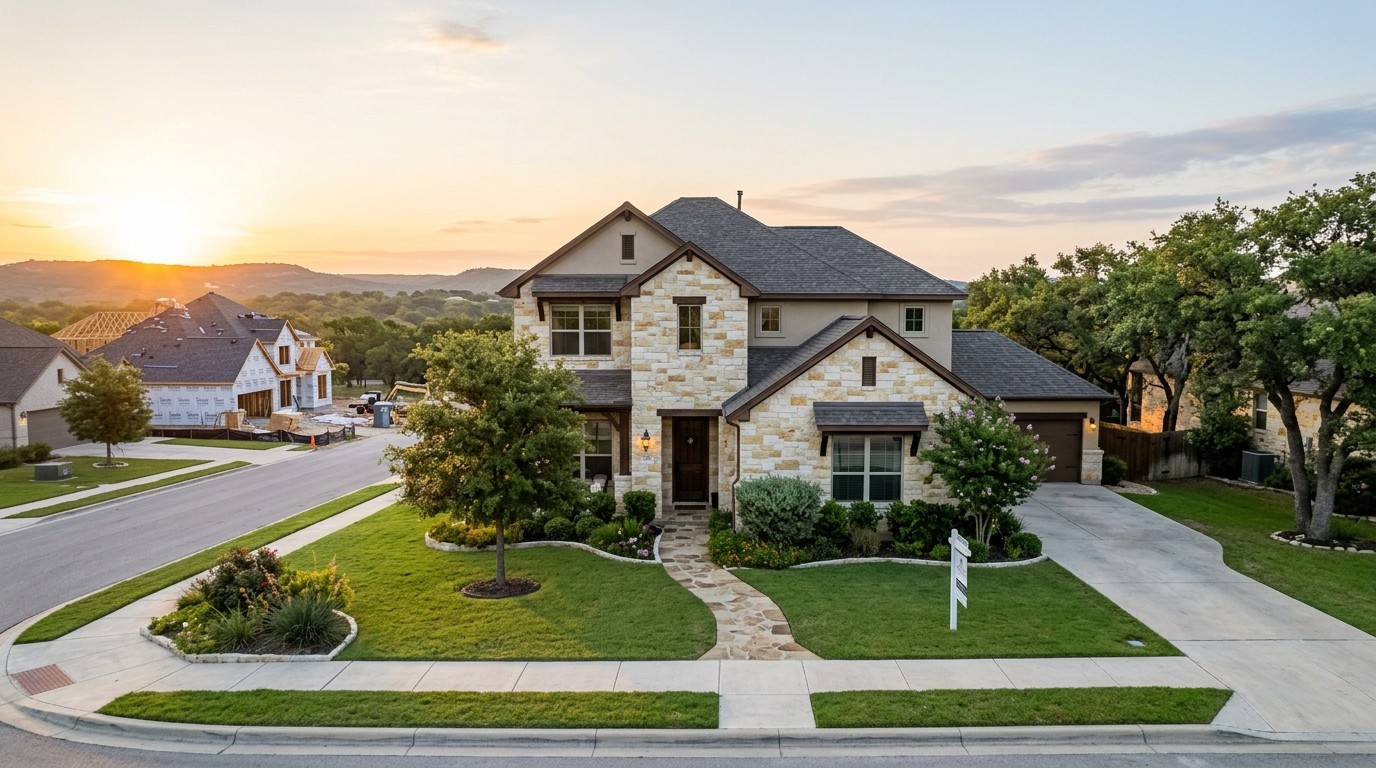
How should Comal County sellers compete with builder incentives?
Quick Answer
Comal County sellers should compete with builder incentives by pricing against the buyer's full cost, not just the resale comp sheet. NAHB reported in June 2026 that 62% of builders used sales incentives and 35% cut prices, so resale listings near active builder inventory need a clear concession plan before launch. The strongest strategy is usually a comp-backed price, documented condition, and one clean seller concession that helps the buyer's payment or cash-to-close without giving away equity blindly. For expert updates, contact Cody Posey Real Estate.
Why do builder incentives change the resale math?
Builder incentives change the resale math because buyers rarely compare only list price. They compare monthly payment, cash needed at closing, repair risk, timeline, and how confident they feel about the home after inspection. If a builder is advertising closing-cost assistance, a rate buydown, appliance package, or quick move-in inventory near New Braunfels, Bulverde, Spring Branch, Cibolo, or Schertz, a resale seller has to answer the same buyer question: what does this home cost me to own?
That does not mean you should race a builder to the bottom. Builders may have different margins, preferred-lender arrangements, standing inventory pressure, and contract terms. A resale homeowner usually has a different goal: protect net proceeds while making the offer feel easier for the buyer to accept. Your strategy should compare the builder's advertised offer with your real competition, then decide which concession, repair position, or price move creates the strongest net outcome.
The local pressure is real enough to plan for. In a prior Comal County builder competition seller guide, Cody's market read used Texas Real Estate Research Center data showing buyer choice had expanded in the county. More choice means buyers can slow down, ask harder questions, and measure your resale home against nearby new construction. That is where a local home value and pricing strategy becomes more useful than an automated estimate.
Here is the part I see sellers underestimate in New Braunfels: the buyer who loves your resale home may still tour the new-build model on the same Saturday. They are not always choosing between old and new. They are choosing between certainty and uncertainty. If your roof age, HVAC service history, inspection story, property tax picture, or closing-cost position feels fuzzy, the builder's clean package starts to look more comfortable even when your location or lot is better.
Which concession beats a builder's payment story?
The best concession is the one that solves the buyer's actual friction. Some buyers need help reducing cash-to-close. Others care more about monthly payment. Some are nervous about repairs because a new home feels cleaner on paper. Before you offer anything, decide what problem your likely buyer is trying to solve.
A closing-cost credit can be powerful when the buyer has income but limited liquid cash. It may help them keep reserves after closing, pay title and lender costs, or feel better about moving expenses. A price reduction can help appraisal support and future resale optics, but it may not reduce the buyer's immediate cash need as much as a negotiated credit. A repair credit can work when inspection concerns are specific, documented, and easier to price than complete before closing.
Rate buydown comparisons need extra care. A builder's preferred-lender incentive can look bigger than it is because the buyer must compare rate, fees, discount points, loan type, closing costs, and whether the incentive requires a certain lender. The Consumer Financial Protection Bureau explains that discount points and lender credits affect what a borrower pays up front and over time, so the clean comparison is not the headline incentive. It is the buyer's Loan Estimate and monthly payment after all terms are included.
For sellers, this is where a seller net sheet matters before the home goes active. I want to know the walk-away number before we are in a live negotiation. If we know your likely payoff, closing costs, repair room, concession ceiling, and timing pressure, we can respond to a buyer without guessing. That keeps a builder incentive from becoming an emotional price cut.
Trying to decide whether a seller concession, price change, or repair credit protects your net best?
Cody will compare your resale comps, nearby builder incentives, and estimated seller proceeds so you can launch with a clear pricing and negotiation plan.
Call Cody Posey Real Estate at 830.360.5569 · Get your custom pricing strategy
How should pricing change near new construction?
Pricing near new construction should start with resale comps, then add a builder-competition layer. The resale comps tell us what buyers recently paid for similar homes. The builder layer tells us what a buyer can choose today if they are willing to buy new. Both matter because active builder inventory can pull attention away from resale homes even when the homes are not identical.
The mistake is pricing your home only against the neighbor's sale from three months ago while ignoring the model-home sign down the road. If that builder has completed inventory, financing help, and a closing timeline that lines up with the buyer's move, your listing has to show why the resale is still the smarter choice. Maybe it is lot size, mature landscaping, window treatments, established location, lower move-in work, or a more flexible closing date. But the price has to make that story believable.
I like to separate the decision into three numbers. First is the comp-supported value range. Second is the buyer's net-cost comparison against realistic builder alternatives. Third is your seller floor after payoff, costs, concessions, and timing. When those three numbers are clear, you can decide whether the right move is sharper launch pricing, a pre-planned credit, documented repairs, or holding firm because your home has a real advantage.
This also keeps you from copying a builder deal that does not fit your listing. If your home competes mostly with finished inventory under $400K, payment and cash-to-close may be the whole conversation. If your home is in a higher price band with acreage, established trees, or a closer-in location, the buyer may care more about condition, survey questions, septic, floodplain, or tax structure. For a broader market backdrop, Cody's San Antonio and New Braunfels inventory incentives update explains why incentive pressure can vary by submarket and price point.
What should sellers prepare before listing?
Before listing, sellers should prepare the proof that makes a resale home feel less risky. That means clean disclosures, repair receipts, service records, warranty information where available, and clarity on what conveys. Texas sellers also need to handle the TREC Seller's Disclosure Notice carefully, because buyers will measure condition confidence against the clean presentation of a new-build model.
Condition does not have to mean a remodel. It means removing doubt. If the HVAC was serviced, show it. If the roof was replaced, document it. If the home has a recent survey, utility details, or HOA documents, organize them early. If a buyer is deciding between your resale and a builder home, every unanswered question gives the builder another advantage.
The listing launch should also include a negotiation map. Decide in advance what you would do if the first two weeks bring showings but no offer, if a buyer asks for closing-cost help, if inspection requests are heavy, or if a nearby builder drops the price on standing inventory. That does not mean panic. It means you have a calm order of operations.
My New Braunfels seller rule is this: do not let the first buyer write your strategy for you. If you wait until the offer arrives to decide whether concessions make sense, you are negotiating under pressure. If we build the pricing range, concession ceiling, and repair posture before the sign goes up, you can compete with builders without making every buyer request feel like a personal hit.
How to prepare your concession plan
- Pull resale comps and nearby new-construction options a buyer would realistically tour in the same search.
- Compare the buyer's estimated cash-to-close and monthly payment under your likely terms versus the builder's advertised incentive.
- Document condition items before photos, including repairs, service records, disclosures, survey details, and conveyance notes.
- Set your seller floor with payoff, closing costs, likely concessions, repair room, carrying costs, and target timing.
- Choose one clean concession strategy before launch so negotiation feels planned instead of reactive.
In Closing
If you're planning to sell in Comal County or New Braunfels in the next 30 to 180 days, the next step is not copying a builder incentive. It is building a comp-backed pricing and concession plan around your home, your competing inventory, and your net proceeds goal.
I'll map your value range, likely buyer objections, nearby builder pressure, and estimated seller net so you know where to hold firm and where a smart concession could help.
Ready to talk strategy? Cody Posey Real Estate at 830.360.5569.
Sources: National Association of Home Builders, Builder Sentiment Remains Weak Amid Affordability Concerns · Texas Real Estate Research Center Housing Activity Data · Consumer Financial Protection Bureau, Discount Points and Lender Credits · Texas Real Estate Commission, Seller's Disclosure Notice